
TikTok AI Advertising in 2026: What Brands Need to Know

TikTok AI advertising in 2026 is no longer limited to automatically choosing an audience or generating a piece of ad copy. TikTok is increasingly applying artificial intelligence across campaign setup, targeting, search advertising, creative generation, asset selection, creator discovery, commerce optimization, and reporting. For brands, that creates both opportunity and complexity. Campaigns can require less […]
Performance Marketing Strategy for Brands: A Practical Paid Media Guide

A performance marketing strategy gives a brand a structured way to turn paid media spending into measurable business learning and growth. Instead of treating Google Ads, Meta Ads, TikTok Ads, or other channels as separate campaign silos, the strategy connects business goals, audience intent, creative, budget allocation, conversion experience, measurement, and optimization. The key idea […]
11.11 Social Commerce Marketing: How Brands Use Creators, Livestreams, and UGC

11.11 social commerce marketing is increasingly about more than publishing a discount and waiting for shoppers to arrive. For brands selling through marketplaces and social-shopping platforms, the campaign can now begin with a creator recommendation, continue through short-form video or a livestream, and end with a purchase without the customer ever following a traditional linear […]
Google Ads in AI Mode: What the Latest Expansion Means for Brands
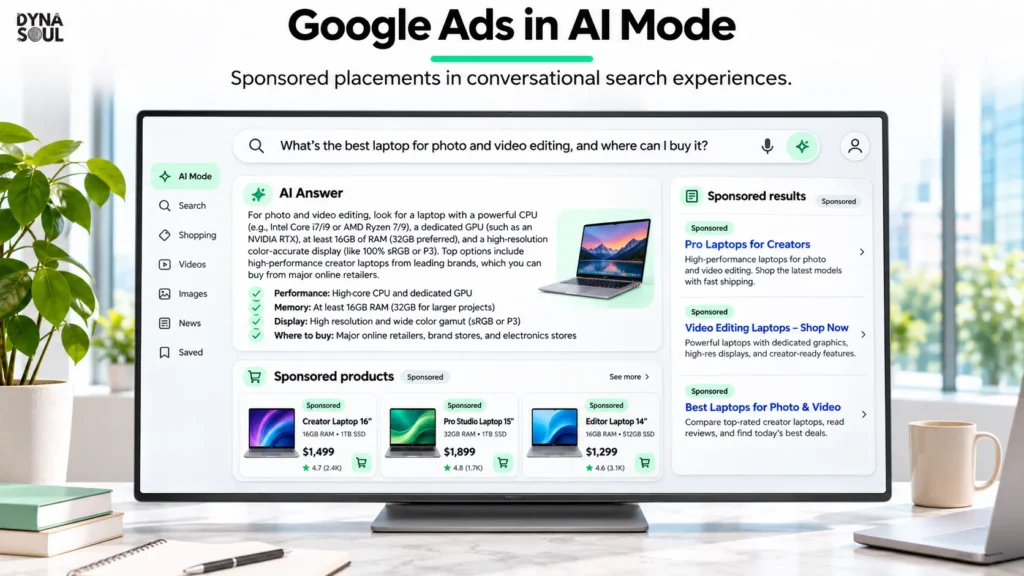
Google Ads in AI Mode moved into a new phase in October 2026. Google expanded sponsored placements in its conversational search experience to 10 additional countries and introduced multiturn advertising in the United States, giving ads the ability to appear as a user’s search develops through follow-up questions. For brands, this is more important than […]
Social Media Marketing Strategy: A Guide for Growing Brands

A social media marketing strategy gives a growing brand a clear system for deciding where to show up, what to publish, how to engage, and how social activity should contribute to broader business goals. Without that structure, social media can easily become a calendar of disconnected posts that consume time without creating useful learning or […]
UGC Video Production for Brands: Formats, Workflow, and Results

UGC video production gives brands a way to create short-form video that feels closer to the content people naturally encounter in social feeds. Instead of relying only on studio advertising, brands can work with creators, customers, employees, or other contributors to produce product demonstrations, testimonials, tutorials, problem-solution videos, unboxings, and other creator-led formats. However, producing […]
Influencer Marketing Costs Explained: Creator Fees, Usage Rights, and Campaign Budgets

Influencer marketing costs can be difficult to compare because a creator’s quoted fee is only one part of the total campaign budget. A brand may also need to pay for usage rights, exclusivity, product and shipping, campaign management, paid amplification, production, tracking, and other operational costs. That is why two creators with similar follower counts […]
Influencer Marketing Strategy for Brands: From Creators to ROI

An influencer marketing strategy gives a brand a structured way to work with creators for a specific business purpose rather than treating every collaboration as a one-off social post. The strategy connects audience fit, creator selection, campaign design, content rights, disclosure, measurement, and commercial outcomes so the brand can learn what works and improve the […]
Performance Marketing Costs Explained: Fee Models, Ad Spend, and Budget Factors

Performance marketing costs are easier to understand when they are separated into the different things a brand is actually paying for. The advertising budget sent to Google, Meta, TikTok, or another platform is only one part of the total. Management fees, creative production, tracking, landing-page work, reporting tools, and internal resources can all affect the […]


